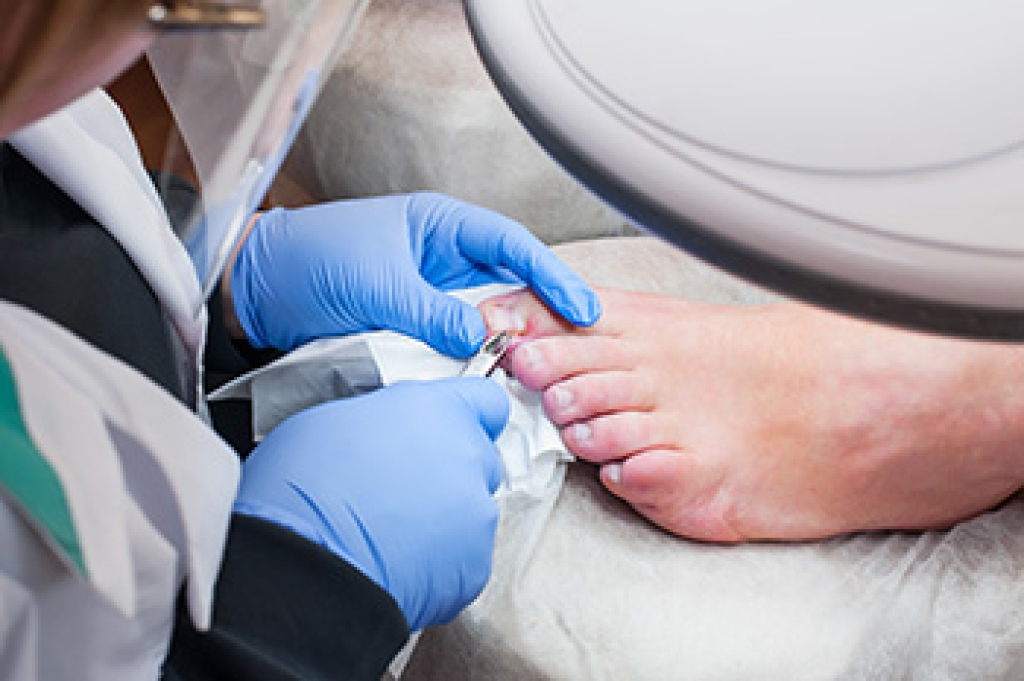
Facts About Foot Drop

Foot drop is a condition marked by difficulty in lifting the front part of the foot, which can cause the toes to drag while walking and increase the risk of tripping. It often results from nerve injury, muscle weakness, or neurological conditions that affect normal foot movement. Symptoms include a high stepping gait, foot weakness, numbness, and instability. Risk factors include diabetes, stroke, spinal disorders, and prolonged nerve compression. Relief options focus on improving safety and function, and may include wearing supportive footwear and custom orthotics to help hold the foot in a proper position. A podiatrist can identify contributing foot and ankle issues, coordinate care, and recommend bracing or orthotic solutions. If you have foot drop, and walking has become difficult or unsafe, it is suggested that you consult a podiatrist who can offer effective relief and management solutions.

Foot Pain

Foot pain can be extremely painful and debilitating. If you have a foot pain, consult with Kent DiNucci, DPM from Ankle and Foot Clinic . Our doctor will assess your condition and provide you with quality foot and ankle treatment.

Causes

Foot pain is a very broad condition that could be caused by one or more ailments. The most common include:

  • Bunions
  • Hammertoes
  • Plantar Fasciitis
  • Bone Spurs
  • Corns
  • Tarsal Tunnel Syndrome
  • Ingrown Toenails
  • Arthritis (such as Gout, Rheumatoid, and Osteoarthritis)
  • Flat Feet
  • Injury (from stress fractures, broken toe, foot, ankle, Achilles tendon ruptures, and sprains)
  • And more

Diagnosis

To figure out the cause of foot pain, podiatrists utilize several different methods. This can range from simple visual inspections and sensation tests to X-rays and MRI scans. Prior medical history, family medical history, and any recent physical traumatic events will all be taken into consideration for a proper diagnosis.

Treatment

Treatment depends upon the cause of the foot pain. Whether it is resting, staying off the foot, or having surgery; podiatrists have a number of treatment options available for foot pain.

If you have any questions, please feel free to contact our office located in Omaha, NE . We offer the newest diagnostic and treatment technologies for all your foot care needs.

Read more about Foot Pain

Heel Pain Can Be Treated!

Do you suffer from heel pain when you get up in the morning? If so, you should seek professional help and have a proper diagnosis performed. Heel pain can be caused by several different foot-related conditions.

Pros and Cons of Ankle Fusion Surgery

Ankle fusion surgery, also called ankle arthrodesis, is a procedure used to relieve severe ankle pain by permanently joining the bones of the ankle joint. One advantage of ankle fusion is reliable pain reduction, especially for people with advanced arthritis, joint damage, or deformity that limits walking. By eliminating joint motion, the ankle can become more stable and better aligned, which may improve daily function. Fusion is also durable and may last longer than other surgical options in certain cases. However, there are drawbacks to consider. Loss of ankle movement can change walking mechanics and place added stress on nearby joints in the foot, which may lead to discomfort over time. Recovery can be lengthy and often requires a period of limited weight-bearing. A podiatrist carefully evaluates whether the benefits outweigh the risks based on symptoms, activity level, and overall foot structure. If you have ankle problems, it is suggested that you make an appointment with a podiatrist for a full exam and treatment options.

Foot surgery is sometimes necessary to treat a foot ailment. To learn more, contact Kent DiNucci, DPM of Ankle and Foot Clinic . Our doctor will assist you with all of your foot and ankle needs.

When Is Surgery Necessary?

Foot and ankle surgery is generally reserved for cases in which less invasive, conservative procedures have failed to alleviate the problem. Some of the cases in which surgery may be necessary include:

  • Removing foot deformities like bunions and bone spurs
  • Severe arthritis that has caused bone issues
  • Cosmetic reconstruction

What Types of Surgery Are There?

The type of surgery you receive will depend on the nature of the problem you have. Some of the possible surgeries include:

  • Bunionectomy for painful bunions
  • Surgical fusion for realignment of bones
  • Neuropathy decompression surgery to treat nerve damage

Benefits of Surgery

Although surgery is usually a last resort, it can provide more complete pain relief compared to non-surgical methods and may allow you to finally resume full activity.

Surgical techniques have also become increasingly sophisticated. Techniques like endoscopic surgery allow for smaller incisions and faster recovery times.

If you have any questions, please feel free to contact our office located in Omaha, NE . We offer the newest diagnostic and treatment technologies for all your foot care needs.

Read more about Foot and Ankle Surgery

Sesamoiditis Causes and Symptoms

Sesamoiditis is a painful foot condition that affects the sesamoid bones, which are two small bones located beneath the base of the big toe. These bones help absorb pressure and assist with movement during walking and push off. When they become inflamed, pain can develop around the ball of the foot, especially under the base of the big toe. Common symptoms include aching or sharp pain while walking, standing, or bending the toe, along with swelling and tenderness in the area. Sesamoiditis is often caused by repetitive stress, high impact activities, or increased pressure on the forefoot. A podiatrist can diagnose the condition, recommend activity modification, provide protective padding or orthotics, and develop a treatment plan to reduce inflammation. If you have pain under your big toe, it is suggested you schedule a visit with a podiatrist who can accurately diagnose and treat what may be going on.

Sesamoiditis is an unpleasant foot condition characterized by pain in the balls of the feet. If you think you’re struggling with sesamoiditis, contact Kent DiNucci, DPM of Ankle and Foot Clinic . Our doctor will treat your condition thoroughly and effectively.

Sesamoiditis

Sesamoiditis is a condition of the foot that affects the ball of the foot. It is more common in younger people than it is in older people. It can also occur with people who have begun a new exercise program, since their bodies are adjusting to the new physical regimen. Pain may also be caused by the inflammation of tendons surrounding the bones. It is important to seek treatment in its early stages because if you ignore the pain, this condition can lead to more serious problems such as severe irritation and bone fractures.

Causes of Sesamoiditis

  • Sudden increase in activity
  • Increase in physically strenuous movement without a proper warm up or build up
  • Foot structure: those who have smaller, bonier feet or those with a high arch may be more susceptible

Treatment for sesamoiditis is non-invasive and simple. Doctors may recommend a strict rest period where the patient forgoes most physical activity. This will help give the patient time to heal their feet through limited activity. For serious cases, it is best to speak with your doctor to determine a treatment option that will help your specific needs.

If you have any questions, please feel free to contact our office located in Omaha, NE . We offer the newest diagnostic and treatment technologies for all your foot care needs.

Read more about Sesamoiditis

Diabetic Limb Salvage and Podiatrists

Diabetic limb salvage focuses on preserving foot structure and function while reducing the risk of wounds and limb loss. In podiatry, the foot is evaluated as a biomechanical system rather than an isolated sore, allowing pressure points, deformity, and joint alignment to be addressed together. A podiatrist can provide wound care, offloading, and monitoring while considering how walking forces affect the toes, midfoot, and ankle. When clinic-based care is not enough, surgery can correct imbalance, remove pressure from high-risk areas, and stabilize unstable joints. Long-term planning is essential for diabetic limb salvage, since changes in foot mechanics can shift pressure and create new problems. Ongoing evaluation helps protect tissue and maintain mobility. For help with foot problems, it is suggested that you consult a podiatrist for an exam and treatment.

Limb salvage can be an effective way in preventing the need for limb amputation. If you have diabetes, cancer, or any other condition that could lead to foot amputation if left unchecked, consult with Kent DiNucci, DPM from Ankle and Foot Clinic . Our doctor will assess your condition and provide you with quality foot and ankle treatment.

What Is Limb Salvage?

Limb salvage is the attempt of saving a limb, such as the foot from amputation. Podiatrists also try to make sure that there is enough function in the foot after the salvage that it is still usable. Diabetes is the number one cause of non-traumatic amputations in the United States. Those with diabetes experience poor blood circulation, which prevents proper healing of an ulcer. If the ulcer is left uncheck, it could become infected, which could result in the need for amputation.

However, there are other causes as well, such as cancer and traumatic injury. Links between higher mortality rates and amputation have been found. This translates into higher healthcare costs, and a reduced quality of life and mobility for amputees. Podiatrists have attempted to increase the prevalence of limb salvage in an attempt to solve these issues.

Diagnosis and Treatment

Limb salvage teams have grown in recent years that utilize a number of different treatments to save the infected limb. This includes podiatrists that specialize in wound care, rehabilitation, orthotics, and surgery. Through a combination of these methods, limb salvage has been found to be an effective treatment for infected limbs, and as an alternative to amputation. Podiatrists will first evaluate the potential for limb salvage and determine if the limb can be saved or must be amputated. 

If you have any questions, please feel free to contact our office located in Omaha, NE . We offer the newest diagnostic and treatment technologies for all your foot care needs.

Read more about Limb Salvage
scroll to top