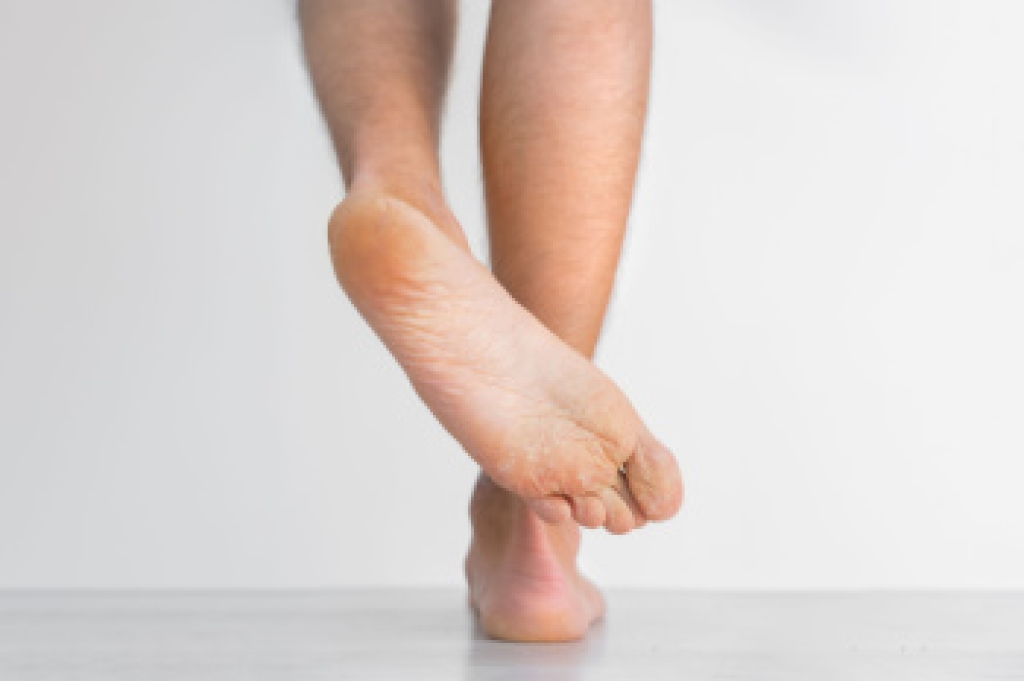
Athlete’s foot is a fungal infection that affects the skin of the feet. It can cause itching, discoloration, and cracks in the skin. These changes often appear between the toes but can develop on other parts of the foot as well. The infection may cause skin to look dry or scaly, making it easy to confuse with other skin problems. Foot psoriasis can create similar symptoms, including scaling and discoloration. Because the two problems may look alike, an accurate diagnosis is important before treatment begins. Using the wrong treatment can allow symptoms to continue or become worse.
One important difference is that athlete’s foot is caused by a fungus, while psoriasis is related to the immune system. Athlete’s foot can also spread from one person to another, unlike psoriasis. The location and appearance of symptoms may provide clues, but these features do not always make the cause clear. Athlete’s foot often produces cracking or peeling between the toes. Psoriasis may affect other parts of the body in addition to the feet. When skin changes continue, or the diagnosis is uncertain, professional evaluation can help determine what is actually causing the problem.
A podiatrist can examine persistent skin changes on the feet and determine whether athlete’s foot or another condition may be responsible. Since fungal infections and psoriasis require different approaches, identifying the correct cause can guide appropriate care. A podiatrist may evaluate the location and appearance of affected skin while considering other symptoms. Further testing may be appropriate when the diagnosis is unclear. Professional care is especially valuable when itching, cracking, or discoloration continues despite previous treatment or begins interfering with comfort. Receiving the correct diagnosis can prevent unnecessary treatment and help address the underlying cause of the skin changes. If you have ongoing symptoms that may indicate athlete’s foot, it is suggested that you consult a podiatrist for an evaluation and appropriate treatment options.
Athlete’s foot is an inconvenient condition that can be easily reduced with the proper treatment. If you have any concerns about your feet and ankles, contact Kent DiNucci, DPM from Ankle and Foot Clinic . Our doctor will treat your foot and ankle needs.
Athlete’s Foot: The Sole Story
Athlete's foot, also known as tinea pedis, can be an extremely contagious foot infection. It is commonly contracted in public changing areas and bathrooms, dormitory style living quarters, around locker rooms and public swimming pools, or anywhere your feet often come into contact with other people.
Solutions to Combat Athlete’s Foot
- Hydrate your feet by using lotion
- Exfoliate
- Buff off nails
- Use of anti-fungal products
- Examine your feet and visit your doctor if any suspicious blisters or cuts develop
Athlete’s foot can cause many irritating symptoms such as dry and flaking skin, itching, and redness. Some more severe symptoms can include bleeding and cracked skin, intense itching and burning, and even pain when walking. In the worst cases, Athlete’s foot can cause blistering as well. Speak to your podiatrist for a better understanding of the different causes of Athlete’s foot, as well as help in determining which treatment options are best for you.
If you have any questions please feel free to contact our office located in Omaha, NE . We offer the newest diagnostic and treatment technologies for all your foot and ankle needs.