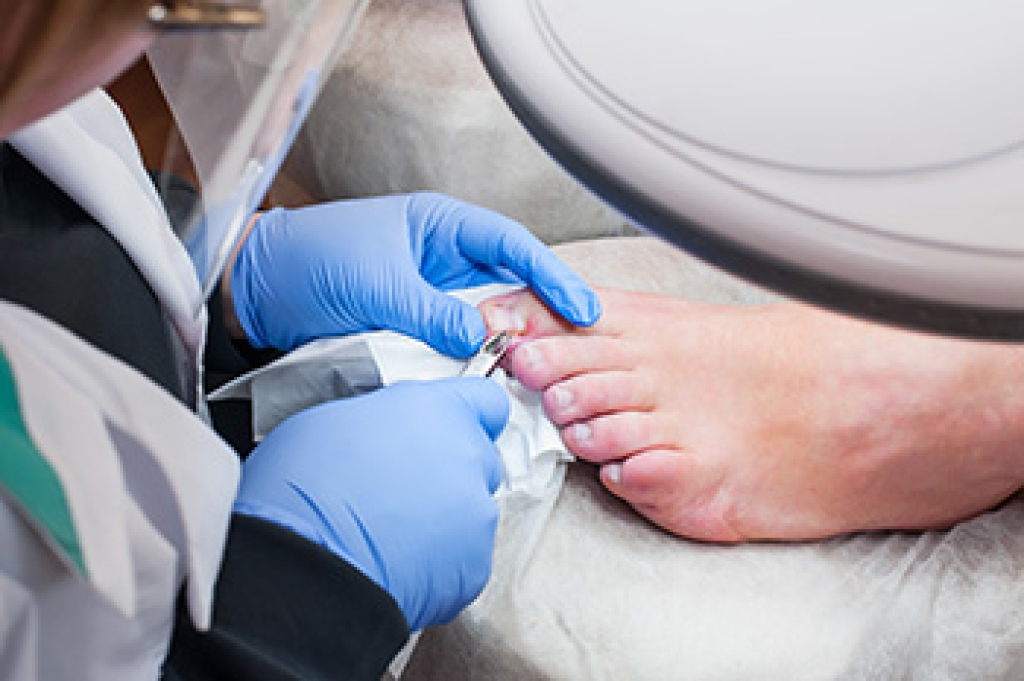
Formation of Corns on the Feet

Corns form when the skin thickens in response to repeated pressure or rubbing. This extra buildup of skin is the body’s way of protecting itself, but it can become painful. Corns usually develop on the top or sides of the toes, or on the bottom of the foot, where bones press against shoes. A hard corn has a small, firm center that pushes into the skin and causes discomfort when walking or standing. A soft corn often forms between the toes, where sweat keeps the skin moist and tender. Corns are smaller than calluses, which tend to cover wider areas and are often less painful. Tight shoes, toe deformities such as hammertoes, and changes in foot shape can all increase pressure and lead to corn formation. A podiatrist can safely remove thickened skin, evaluate foot structure, and treat the cause of ongoing pressure. If you have a painful corn on your foot, it is suggested that you make an appointment with a podiatrist for an exam, diagnosis, and safe treatment.

If you have any concerns regarding your feet and ankles, contact Kent DiNucci, DPM of Ankle and Foot Clinic . Our doctor  will treat your foot and ankle needs.

Corns: What Are They? and How Do You Get Rid of Them?
Corns can be described as areas of the skin that have thickened to the point of becoming painful or irritating. They are often layers and layers of the skin that have become dry and rough, and are normally smaller than calluses.

Ways to Prevent Corns
There are many ways to get rid of painful corns such as wearing:

  • Well-fitting socks
  • Comfortable shoes that are not tight around your foot
  • Shoes that offer support

Treating Corns
Treatment of corns involves removing the dead skin that has built up in the specific area of the foot. Consult with Our doctor to determine the best treatment option for your case of corns.

If you have any questions, please feel free to contact our office located in Omaha, NE . We offer the newest diagnostic and treatment technologies for all your foot care needs.

Read more about Corns: What Are They, and How Do You Get Rid of Them

Do Your Child's Feet Hurt?

Have your child's feet been examined lately? Healthy feet are happy feet. If your child is complaining of foot pain, it may be a sign of underlying problems.

Common Foot Problems and Foot Protection in Seniors

As people age, several common foot problems may develop due to natural changes in skin, circulation, and joint health. One significant change is that the fat pads on the feet become thinner, reducing cushioning and increasing sensitivity to pressure. This can lead to discomfort, calluses, and a higher risk of skin breakdown. Protecting elderly feet involves staying active to promote circulation and mobility, inspecting feet daily for cuts or changes, using moisturizer to prevent dryness, and wearing shoes that fit well and provide proper support. These habits help maintain comfort and reduce complications. A podiatrist can assess foot health, manage existing concerns, and recommend preventive care. If you have foot pain, it is suggested that you consult a podiatrist who can treat various foot and ankle conditions, and guide you on additional elderly foot care tips.

If you need your feet checked, contact Kent DiNucci, DPM of Ankle and Foot Clinic . Our doctor will attend to all of your foot and ankle needs and provide you with quality treatment.

Geriatrics and Podiatry
When people age, some common issues that may occur are bone density loss, dry skin, poor circulation, and rough brittle nails. These issues may also affect your foot health if the necessary steps are not taken to alleviate the problems.

It is important to take care of your feet because feet that are injured or diseased can affect your overall health. Having painful feet hinders your ability to do daily activities or may decrease your willingness to do the things that you need to do.

Visiting Your Geriatrician
As we age, health problems become more likely, so it is essential to visit your doctor for check-ups to ensure that you are doing the best you can to take care of your health. It is recommended to check your feet frequently for any possible cuts, bruises, swelling, corns or any other irregularities. 

Taking Care of Elderly Feet
Cracked or dry feet can be treated by applying moisturizer often. It is also important not to wear old socks because the older the sock is, the higher the possibility there will be that there is bacteria there. Wear fresh socks and make sure they fit properly.

Proper foot health means that you can have a more active lifestyle and you will not be bogged down by pain. Foot health also leads to good circulation, which is paramount for overall health.

If you have any questions, please feel free to contact our office located in Omaha, NE . We offer the newest diagnostic and treatment technologies for all your foot care needs.
Read more about Taking Care of Elderly Feet

Running Injuries That Affect the Feet and How to Prevent Them

Running can place repetitive stress on the feet, leading to common injuries like plantar fasciitis, stress fractures, Achilles tendon irritation, and pain along the top or ball of the foot. These conditions often develop from overuse, improper footwear, or inefficient running mechanics. Prevention begins with adopting a low- impact running form that reduces strain. Running with short strides and a quick cadence helps limit excessive force. Landing lightly on the ball of the foot rather than the toes, and quickly lifting the foot off the ground can improve efficiency and decrease stress. Proper stretching and recovery are also essential. A podiatrist can evaluate gait and recommend support. If you have sustained a foot or ankle injury while running, it is suggested that you consult a podiatrist who can evaluate gait, and guide you toward appropriate treatment solutions.

All runners should take extra precaution when trying to avoid injury. If you have any concerns about your feet, contact Kent DiNucci, DPM of Ankle and Foot Clinic . Our doctor will treat your foot and ankle needs.

How to Prevent Running Injuries

There are a lot of mistakes a runner can make prior to a workout that can induce injury. A lot of athletes tend to overstretch before running, instead of saving those workouts for a post-run routine. Deep lunges and hand-to-toe hamstring pulls should be performed after a workout instead of during a warmup. Another common mistake is jumping into an intense routine before your body is physically prepared for it. You should try to ease your way into long-distance running instead of forcing yourself to rush into it.

More Tips for Preventing Injury

  • Incorporate Strength Training into Workouts - This will help improve the body’s overall athleticism
  • Improve and Maintain Your Flexibility – Stretching everyday will help improve overall performance
  • “Warm Up” Before Running and “Cool Down” Afterward – A warm up of 5-10 minutes helps get rid of lactic acid in the muscles and prevents delayed muscle soreness
  • Cross-Training is Crucial
  • Wear Proper Running Shoes
  • Have a Formal Gait Analysis – Poor biomechanics can easily cause injury

If you have any questions, please feel free to contact our office located in Omaha, NE . We offer the newest diagnostic and treatment technologies for all your foot care needs.

Read more about Preventing Running Injuries

Lower Extremity Injuries in the Weekend Athlete

A weekend athlete is someone who exercises intensely on days off after being mostly sedentary during the week. This pattern can place sudden stress on feet and ankles. Common injuries include ankle sprains, plantar fascia irritation, Achilles tendon strain, stress fractures, and tendon inflammation. Wearing poor footwear, uneven surfaces, and skipping warm ups can increase risk. Symptoms may involve swelling, stiffness, bruising, or sharp pain during movement. Diagnosis starts with a detailed history of activity and onset of pain, followed by a physical exam. Imaging may be used to evaluate bones, ligaments, and soft tissue. Early attention helps prevent repeat injury and supports safer return to recreational sports. When foot or ankle pain lingers after weekend activity or interferes with daily walking, it is suggested that you see a podiatrist for an evaluation and appropriate care.

Sports related foot and ankle injuries require proper treatment before players can go back to their regular routines. For more information, contact Kent DiNucci, DPM of Ankle and Foot Clinic . Our doctor can provide the care you need to keep you pain-free and on your feet.

Sports Related Foot and Ankle Injuries

Foot and ankle injuries are a common occurrence when it comes to athletes of any sport. While many athletes dismiss the initial aches and pains, the truth is that ignoring potential foot and ankle injuries can lead to serious problems. As athletes continue to place pressure and strain the area further, a mild injury can turn into something as serious as a rupture and may lead to a permanent disability. There are many factors that contribute to sports related foot and ankle injuries, which include failure to warm up properly, not providing support or wearing bad footwear. Common injuries and conditions athletes face, including:

  • Plantar Fasciitis
  • Achilles Tendinitis
  • Achilles Tendon Rupture
  • Ankle Sprains

Sports related injuries are commonly treated using the RICE method. This includes rest, applying ice to the injured area, compression and elevating the ankle. More serious sprains and injuries may require surgery, which could include arthroscopic and reconstructive surgery. Rehabilitation and therapy may also be required in order to get any recovering athlete to become fully functional again. Any unusual aches and pains an athlete sustains must be evaluated by a licensed, reputable medical professional.

If you have any questions please contact our office located in Omaha, NE . We offer the newest diagnostic and treatment technologies for all your foot and ankle needs.

Read more about Sports Related Foot And Ankle Injuries
scroll to top