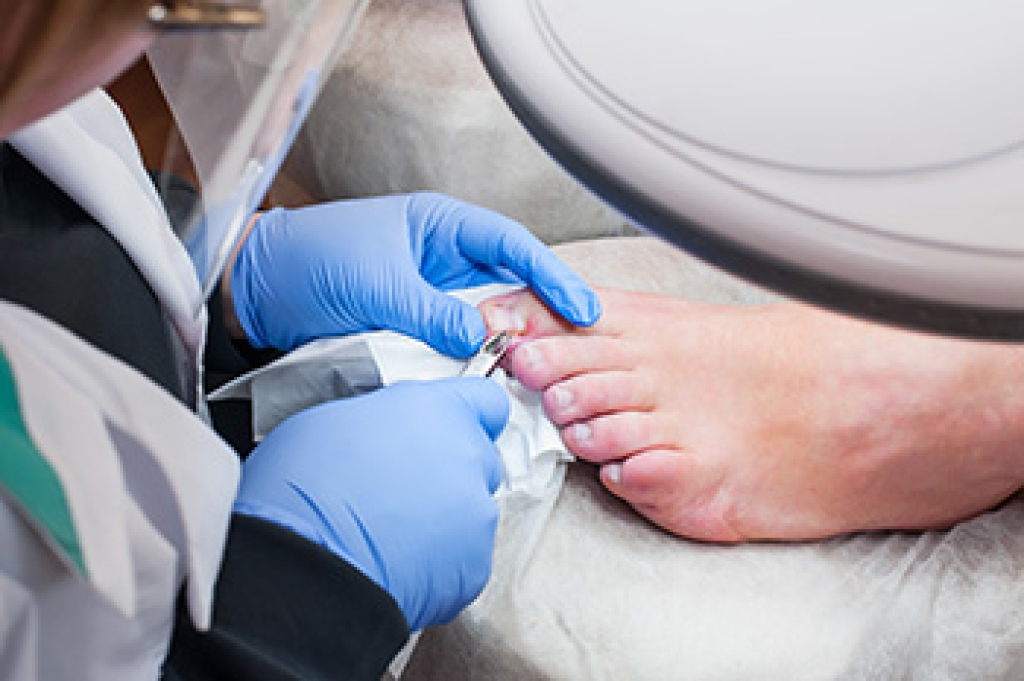
Top of the Foot Pain

Pain on the top of the foot can develop gradually or begin suddenly after activity or injury. This area contains several small bones, joints, and tendons that help lift the foot while walking. When these structures become irritated, discomfort may appear along the upper surface of the foot and sometimes extend toward the toes or ankle. The pain may feel sharp, aching, or tight, and swelling or mild bruising may also appear. Common causes include overuse from running or walking, tight footwear that places pressure on the top of the foot, or inflammation of the tendons that help lift the toes. Stress injuries to the small bones can also occur in active individuals. A podiatrist will examine the foot, discuss recent activity, and may order imaging to identify the exact cause of the pain. Treatment may include shoe adjustments, protective support, and targeted exercises to reduce strain. If you have pain on the top of the foot, it is suggested that you make an appointment with a podiatrist.

Foot Pain

Foot pain can be extremely painful and debilitating. If you have a foot pain, consult with Kent DiNucci, DPM from Ankle and Foot Clinic . Our doctor will assess your condition and provide you with quality foot and ankle treatment.

Causes

Foot pain is a very broad condition that could be caused by one or more ailments. The most common include:

  • Bunions
  • Hammertoes
  • Plantar Fasciitis
  • Bone Spurs
  • Corns
  • Tarsal Tunnel Syndrome
  • Ingrown Toenails
  • Arthritis (such as Gout, Rheumatoid, and Osteoarthritis)
  • Flat Feet
  • Injury (from stress fractures, broken toe, foot, ankle, Achilles tendon ruptures, and sprains)
  • And more

Diagnosis

To figure out the cause of foot pain, podiatrists utilize several different methods. This can range from simple visual inspections and sensation tests to X-rays and MRI scans. Prior medical history, family medical history, and any recent physical traumatic events will all be taken into consideration for a proper diagnosis.

Treatment

Treatment depends upon the cause of the foot pain. Whether it is resting, staying off the foot, or having surgery; podiatrists have a number of treatment options available for foot pain.

If you have any questions, please feel free to contact our office located in Omaha, NE . We offer the newest diagnostic and treatment technologies for all your foot care needs.

Read more about Foot Pain

Preventing Falls Through Balance and Foot Health

Preventing falls is an important part of maintaining independence and overall health, especially as balance and strength change with age. Improving balance through activities such as tai chi can strengthen muscles, increase flexibility, and enhance body awareness. Regular physical activity also supports improved fitness, coordination, and stability, which may reduce the risk of falls. Proper foot care and wearing supportive footwear also play an important role in maintaining safe movement and balance. Foot pain, structural changes, or instability can increase the likelihood of losing balance while walking. A podiatrist can evaluate foot structure, recommend supportive footwear, and provide treatments that improve stability and comfort. If you have sustained a foot or ankle injury from falling, it is suggested that you consult a podiatrist who can offer effective treatment and prevention tips.

Preventing falls among the elderly is very important. If you are older and have fallen or fear that you are prone to falling, consult with Kent DiNucci, DPM from Ankle and Foot Clinic . Our doctor will assess your condition and provide you with quality advice and care.

Every 11 seconds, an elderly American is being treated in an emergency room for a fall related injury. Falls are the leading cause of head and hip injuries for those 65 and older. Due to decreases in strength, balance, senses, and lack of awareness, elderly persons are very susceptible to falling. Thankfully, there are a number of things older persons can do to prevent falls.

How to Prevent Falls

Some effective methods that older persons can do to prevent falls include:

  • Enrolling in strength and balance exercise program to increase balance and strength
  • Periodically having your sight and hearing checked
  • Discuss any medications you have with a doctor to see if it increases the risk of falling
  • Clearing the house of falling hazards and installing devices like grab bars and railings
  • Utilizing a walker or cane
  • Wearing shoes that provide good support and cushioning
  • Talking to family members about falling and increasing awareness

Falling can be a traumatic and embarrassing experience for elderly persons; this can make them less willing to leave the house, and less willing to talk to someone about their fears of falling. Doing such things, however, will increase the likelihood of tripping or losing one’s balance. Knowing the causes of falling and how to prevent them is the best way to mitigate the risk of serious injury.  

If you have any questions, please feel free to contact our office located in Omaha, NE . We offer the newest diagnostic and treatment technologies for all your foot care needs.
Read more about Falls Prevention

Formation of Corns on the Feet

Corns form when the skin thickens in response to repeated pressure or rubbing. This extra buildup of skin is the body’s way of protecting itself, but it can become painful. Corns usually develop on the top or sides of the toes, or on the bottom of the foot, where bones press against shoes. A hard corn has a small, firm center that pushes into the skin and causes discomfort when walking or standing. A soft corn often forms between the toes, where sweat keeps the skin moist and tender. Corns are smaller than calluses, which tend to cover wider areas and are often less painful. Tight shoes, toe deformities such as hammertoes, and changes in foot shape can all increase pressure and lead to corn formation. A podiatrist can safely remove thickened skin, evaluate foot structure, and treat the cause of ongoing pressure. If you have a painful corn on your foot, it is suggested that you make an appointment with a podiatrist for an exam, diagnosis, and safe treatment.

If you have any concerns regarding your feet and ankles, contact Kent DiNucci, DPM of Ankle and Foot Clinic . Our doctor  will treat your foot and ankle needs.

Corns: What Are They? and How Do You Get Rid of Them?
Corns can be described as areas of the skin that have thickened to the point of becoming painful or irritating. They are often layers and layers of the skin that have become dry and rough, and are normally smaller than calluses.

Ways to Prevent Corns
There are many ways to get rid of painful corns such as wearing:

  • Well-fitting socks
  • Comfortable shoes that are not tight around your foot
  • Shoes that offer support

Treating Corns
Treatment of corns involves removing the dead skin that has built up in the specific area of the foot. Consult with Our doctor to determine the best treatment option for your case of corns.

If you have any questions, please feel free to contact our office located in Omaha, NE . We offer the newest diagnostic and treatment technologies for all your foot care needs.

Read more about Corns: What Are They, and How Do You Get Rid of Them

Do Your Child's Feet Hurt?

Have your child's feet been examined lately? Healthy feet are happy feet. If your child is complaining of foot pain, it may be a sign of underlying problems.

Common Foot Problems and Foot Protection in Seniors

As people age, several common foot problems may develop due to natural changes in skin, circulation, and joint health. One significant change is that the fat pads on the feet become thinner, reducing cushioning and increasing sensitivity to pressure. This can lead to discomfort, calluses, and a higher risk of skin breakdown. Protecting elderly feet involves staying active to promote circulation and mobility, inspecting feet daily for cuts or changes, using moisturizer to prevent dryness, and wearing shoes that fit well and provide proper support. These habits help maintain comfort and reduce complications. A podiatrist can assess foot health, manage existing concerns, and recommend preventive care. If you have foot pain, it is suggested that you consult a podiatrist who can treat various foot and ankle conditions, and guide you on additional elderly foot care tips.

If you need your feet checked, contact Kent DiNucci, DPM of Ankle and Foot Clinic . Our doctor will attend to all of your foot and ankle needs and provide you with quality treatment.

Geriatrics and Podiatry
When people age, some common issues that may occur are bone density loss, dry skin, poor circulation, and rough brittle nails. These issues may also affect your foot health if the necessary steps are not taken to alleviate the problems.

It is important to take care of your feet because feet that are injured or diseased can affect your overall health. Having painful feet hinders your ability to do daily activities or may decrease your willingness to do the things that you need to do.

Visiting Your Geriatrician
As we age, health problems become more likely, so it is essential to visit your doctor for check-ups to ensure that you are doing the best you can to take care of your health. It is recommended to check your feet frequently for any possible cuts, bruises, swelling, corns or any other irregularities. 

Taking Care of Elderly Feet
Cracked or dry feet can be treated by applying moisturizer often. It is also important not to wear old socks because the older the sock is, the higher the possibility there will be that there is bacteria there. Wear fresh socks and make sure they fit properly.

Proper foot health means that you can have a more active lifestyle and you will not be bogged down by pain. Foot health also leads to good circulation, which is paramount for overall health.

If you have any questions, please feel free to contact our office located in Omaha, NE . We offer the newest diagnostic and treatment technologies for all your foot care needs.

Read more about Taking Care of Elderly Feet
scroll to top