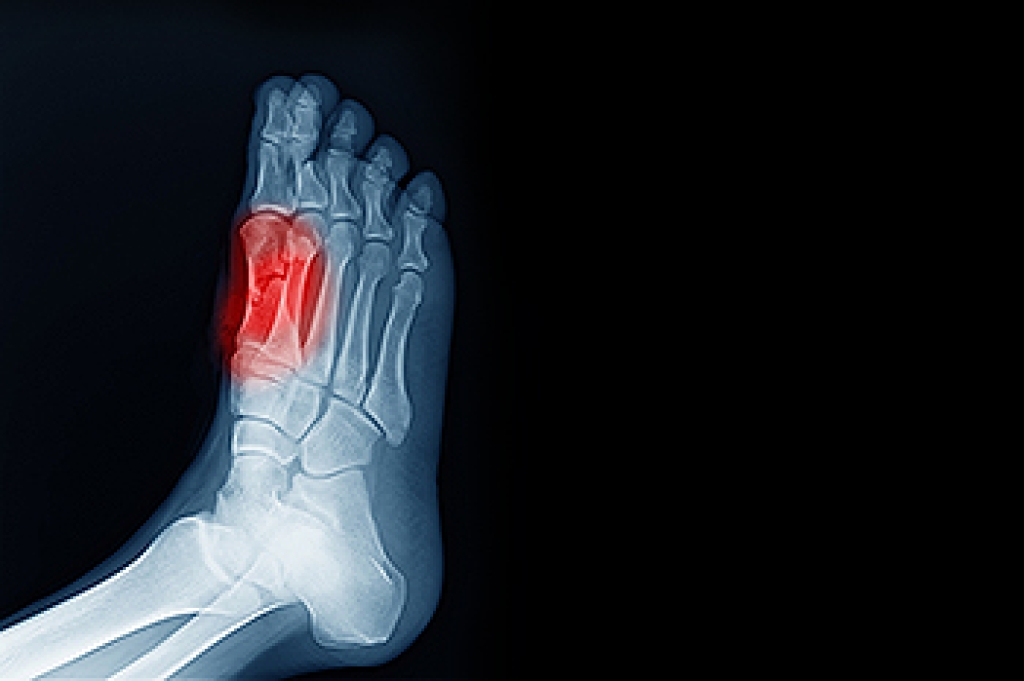
Sesamoiditis Causes and Symptoms

Sesamoiditis is a painful foot condition that affects the sesamoid bones, which are two small bones located beneath the base of the big toe. These bones help absorb pressure and assist with movement during walking and push off. When they become inflamed, pain can develop around the ball of the foot, especially under the base of the big toe. Common symptoms include aching or sharp pain while walking, standing, or bending the toe, along with swelling and tenderness in the area. Sesamoiditis is often caused by repetitive stress, high impact activities, or increased pressure on the forefoot. A podiatrist can diagnose the condition, recommend activity modification, provide protective padding or orthotics, and develop a treatment plan to reduce inflammation. If you have pain under your big toe, it is suggested you schedule a visit with a podiatrist who can accurately diagnose and treat what may be going on.

Sesamoiditis is an unpleasant foot condition characterized by pain in the balls of the feet. If you think you’re struggling with sesamoiditis, contact Kent DiNucci, DPM of Ankle and Foot Clinic . Our doctor will treat your condition thoroughly and effectively.

Sesamoiditis

Sesamoiditis is a condition of the foot that affects the ball of the foot. It is more common in younger people than it is in older people. It can also occur with people who have begun a new exercise program, since their bodies are adjusting to the new physical regimen. Pain may also be caused by the inflammation of tendons surrounding the bones. It is important to seek treatment in its early stages because if you ignore the pain, this condition can lead to more serious problems such as severe irritation and bone fractures.

Causes of Sesamoiditis

  • Sudden increase in activity
  • Increase in physically strenuous movement without a proper warm up or build up
  • Foot structure: those who have smaller, bonier feet or those with a high arch may be more susceptible

Treatment for sesamoiditis is non-invasive and simple. Doctors may recommend a strict rest period where the patient forgoes most physical activity. This will help give the patient time to heal their feet through limited activity. For serious cases, it is best to speak with your doctor to determine a treatment option that will help your specific needs.

If you have any questions, please feel free to contact our office located in Omaha, NE . We offer the newest diagnostic and treatment technologies for all your foot care needs.
Read more about Sesamoiditis

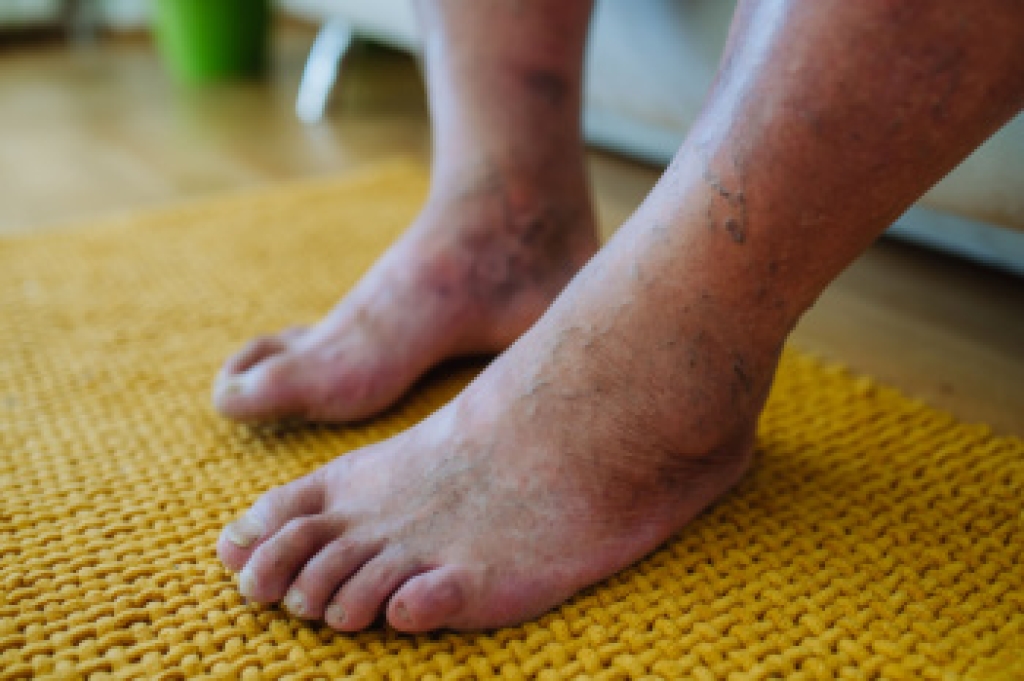
Diabetic Limb Salvage and Podiatrists

Diabetic limb salvage focuses on preserving foot structure and function while reducing the risk of wounds and limb loss. In podiatry, the foot is evaluated as a biomechanical system rather than an isolated sore, allowing pressure points, deformity, and joint alignment to be addressed together. A podiatrist can provide wound care, offloading, and monitoring while considering how walking forces affect the toes, midfoot, and ankle. When clinic-based care is not enough, surgery can correct imbalance, remove pressure from high-risk areas, and stabilize unstable joints. Long-term planning is essential for diabetic limb salvage, since changes in foot mechanics can shift pressure and create new problems. Ongoing evaluation helps protect tissue and maintain mobility. For help with foot problems, it is suggested that you consult a podiatrist for an exam and treatment.

Limb salvage can be an effective way in preventing the need for limb amputation. If you have diabetes, cancer, or any other condition that could lead to foot amputation if left unchecked, consult with Kent DiNucci, DPM from Ankle and Foot Clinic . Our doctor will assess your condition and provide you with quality foot and ankle treatment.

What Is Limb Salvage?

Limb salvage is the attempt of saving a limb, such as the foot from amputation. Podiatrists also try to make sure that there is enough function in the foot after the salvage that it is still usable. Diabetes is the number one cause of non-traumatic amputations in the United States. Those with diabetes experience poor blood circulation, which prevents proper healing of an ulcer. If the ulcer is left uncheck, it could become infected, which could result in the need for amputation.

However, there are other causes as well, such as cancer and traumatic injury. Links between higher mortality rates and amputation have been found. This translates into higher healthcare costs, and a reduced quality of life and mobility for amputees. Podiatrists have attempted to increase the prevalence of limb salvage in an attempt to solve these issues.

Diagnosis and Treatment

Limb salvage teams have grown in recent years that utilize a number of different treatments to save the infected limb. This includes podiatrists that specialize in wound care, rehabilitation, orthotics, and surgery. Through a combination of these methods, limb salvage has been found to be an effective treatment for infected limbs, and as an alternative to amputation. Podiatrists will first evaluate the potential for limb salvage and determine if the limb can be saved or must be amputated. 

If you have any questions, please feel free to contact our office located in Omaha, NE . We offer the newest diagnostic and treatment technologies for all your foot care needs.
Read more about Limb Salvage

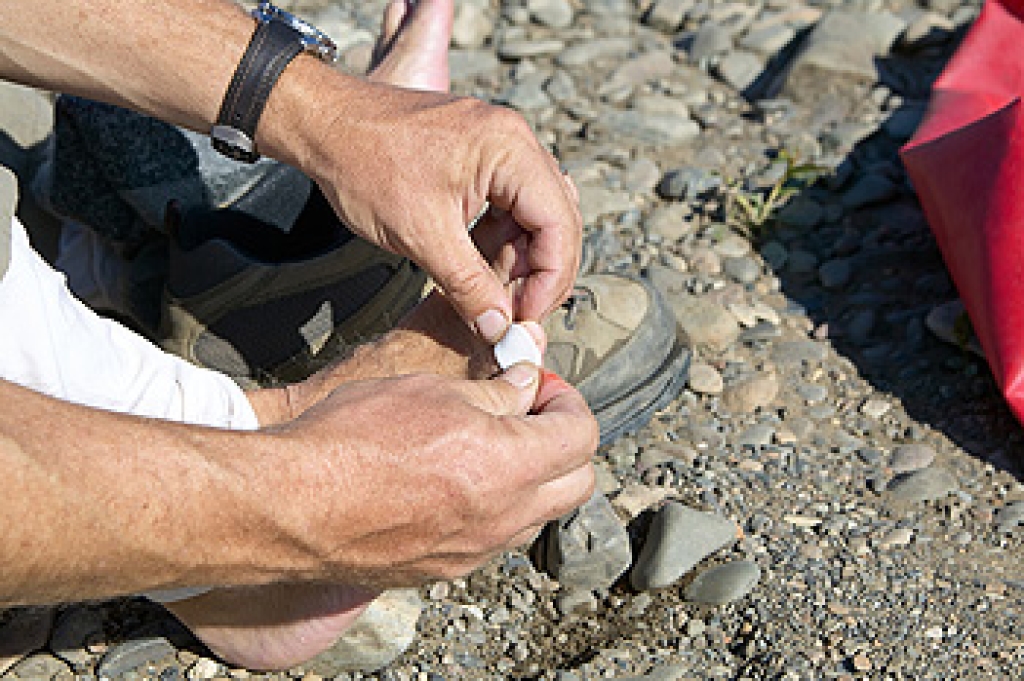
Foot Blisters From Hiking

Foot blisters are fluid filled pockets that form when repeated friction, heat, and moisture damage the outer layers of skin. During hiking, blisters often develop as the foot rubs against boots over long distances, especially on uneven terrain. Symptoms may include redness, burning pain, swelling, tenderness, and clear or cloudy fluid beneath the skin. Prevention is important, and starts with making sure boots fit correctly and provide proper support without excessive movement. Choosing the right socks that reduce moisture and friction can also help protect the skin. When hiking for long periods, bringing a second pair of socks allows damp socks to be changed, lowering the risk of irritation. A podiatrist can help by treating painful or infected blisters, recommending proper footwear, and providing guidance to prevent recurrence. If foot blisters are limiting your comfort or hiking enjoyment, it is suggested that you consult a podiatrist who can offer effective relief and prevention tips.

Blisters may appear as a single bubble or in a cluster. They can cause a lot of pain and may be filled with pus, blood, or watery serum. If your feet are hurting, contact Kent DiNucci, DPM of Ankle and Foot Clinic . Our doctor can provide the care you need to keep you pain-free and on your feet.

Foot Blisters

Foot blisters are often the result of friction. This happens due to the constant rubbing from shoes, which can lead to pain.

What Are Foot Blisters?

A foot blister is a small fluid-filled pocket that forms on the upper-most layer of the skin. Blisters are filled with clear fluid and can lead to blood drainage or pus if the area becomes infected.

Symptoms

(Blister symptoms may vary depending on what is causing them)

  • Bubble of skin filled with fluid
  • Redness
  • Moderate to severe pain
  • Itching

Prevention & Treatment

In order to prevent blisters, you should be sure to wear comfortable shoes with socks that cushion your feet and absorb sweat. Breaking a blister open may increase your chances of developing an infection. However, if your blister breaks, you should wash the area with soap and water immediately and then apply a bandage to the affected area. If your blisters cause severe pain it is important that you call your podiatrist right away.

If you have any questions, please feel free to contact our office located in Omaha, NE . We offer the newest diagnostic and treatment technologies for all your foot care needs.

Read more about Blisters on the Feet

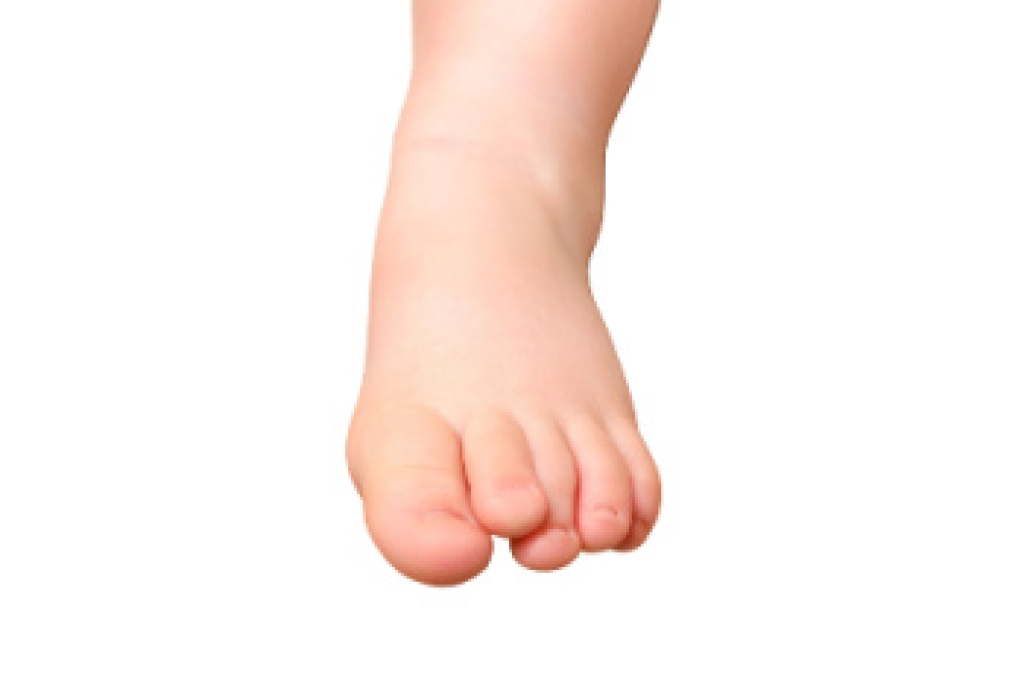
Common Children’s Foot Deformities Explained

Children can experience several types of foot deformities that affect comfort and development. Flat feet occur when the arch does not form properly, leading to tired or achy feet. Talipes calcaneus involves excessive upward bending of the foot, often seen in newborns. In-toeing is when the feet point inward during walking and may result from hip, leg, or foot alignment issues. Talipes equinus limits upward motion of the ankle, causing a child to walk on the toes. A podiatrist can identify the cause of each condition, offer supportive care, guide proper development, and recommend treatments such as stretching programs, orthotics, or monitoring growth patterns. If you have concerns about your child’s foot development, it is suggested that you schedule a visit with a podiatrist for an expert evaluation and professional guidance.

Making sure that your children maintain good foot health is very important as they grow. If you have any questions, contact Kent DiNucci, DPM of Ankle and Foot Clinic . Our doctor can provide the care you need to keep you pain-free and on your feet.

Keeping Children's Feet Healthy

Having healthy feet during childhood can help prevent medical problems later in life, namely in the back and legs. As children grow, their feet require different types of care. Here are some things to consider...

Although babies do not walk yet, it is still very important to take care of their feet.

Avoid putting tight shoes or socks on his or her feet.

Allow the baby to stretch and kick his or her feet to feel comfortable.

As a toddler, kids are now on the move and begin to develop differently. At this age, toddlers are getting a feel for walking, so don’t be alarmed if your toddler is unsteady or ‘walks funny’. 

As your child gets older, it is important to teach them how to take care of their feet.

Show them proper hygiene to prevent infections such as fungus.

Be watchful for any pain or injury.

Have all injuries checked by a doctor as soon as possible.

Comfortable, protective shoes should always be worn, especially at play.

If you have any questions, please feel free to contact our office located in Omaha, NE . We offer the newest diagnostic and treatment technologies for all your foot care needs.

Read more about What to Do to Keep Your Child’s Feet Healthy

Reminder: When Was the Last Time...?

Custom orthotics, or shoe inserts, should be periodically replaced. Orthotics must fit properly to give you the best results. Protect your feet and ankles!

scroll to top