Lower Extremity Injuries in the Weekend Athlete

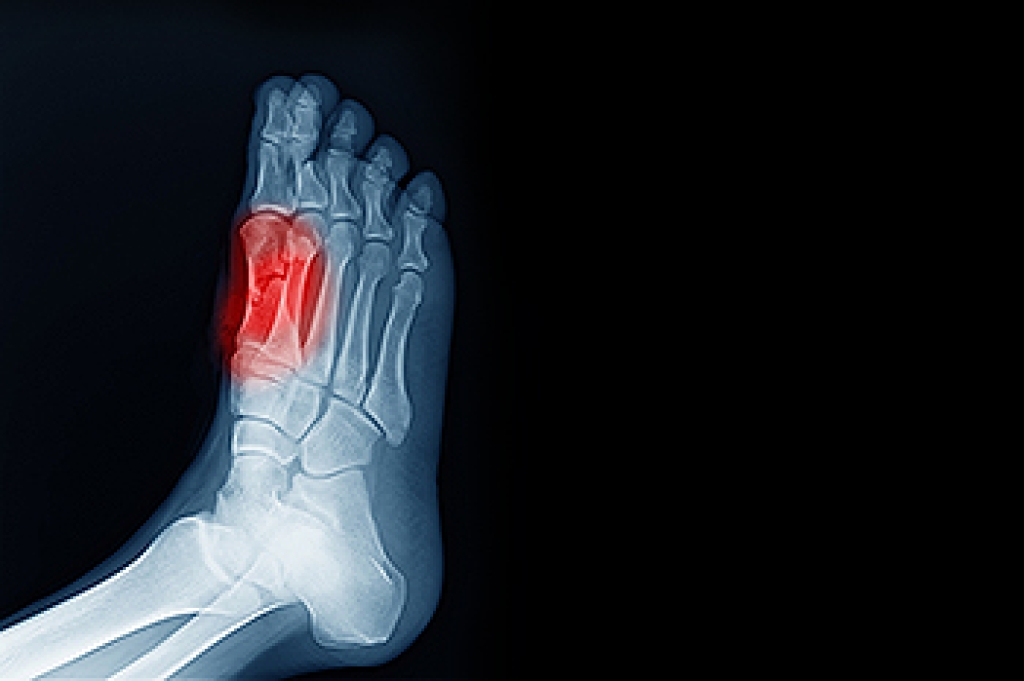
A weekend athlete is someone who exercises intensely on days off after being mostly sedentary during the week. This pattern can place sudden stress on feet and ankles. Common injuries include ankle sprains, plantar fascia irritation, Achilles tendon strain, stress fractures, and tendon inflammation. Wearing poor footwear, uneven surfaces, and skipping warm ups can increase risk. Symptoms may involve swelling, stiffness, bruising, or sharp pain during movement. Diagnosis starts with a detailed history of activity and onset of pain, followed by a physical exam. Imaging may be used to evaluate bones, ligaments, and soft tissue. Early attention helps prevent repeat injury and supports safer return to recreational sports. When foot or ankle pain lingers after weekend activity or interferes with daily walking, it is suggested that you see a podiatrist for an evaluation and appropriate care.

Sports related foot and ankle injuries require proper treatment before players can go back to their regular routines. For more information, contact Kent DiNucci, DPM of Ankle and Foot Clinic . Our doctor can provide the care you need to keep you pain-free and on your feet.

Sports Related Foot and Ankle Injuries

Foot and ankle injuries are a common occurrence when it comes to athletes of any sport. While many athletes dismiss the initial aches and pains, the truth is that ignoring potential foot and ankle injuries can lead to serious problems. As athletes continue to place pressure and strain the area further, a mild injury can turn into something as serious as a rupture and may lead to a permanent disability. There are many factors that contribute to sports related foot and ankle injuries, which include failure to warm up properly, not providing support or wearing bad footwear. Common injuries and conditions athletes face, including:

  • Plantar Fasciitis
  • Achilles Tendinitis
  • Achilles Tendon Rupture
  • Ankle Sprains

Sports related injuries are commonly treated using the RICE method. This includes rest, applying ice to the injured area, compression and elevating the ankle. More serious sprains and injuries may require surgery, which could include arthroscopic and reconstructive surgery. Rehabilitation and therapy may also be required in order to get any recovering athlete to become fully functional again. Any unusual aches and pains an athlete sustains must be evaluated by a licensed, reputable medical professional.

If you have any questions please contact our office located in Omaha, NE . We offer the newest diagnostic and treatment technologies for all your foot and ankle needs.
Read more about Sports Related Foot And Ankle Injuries

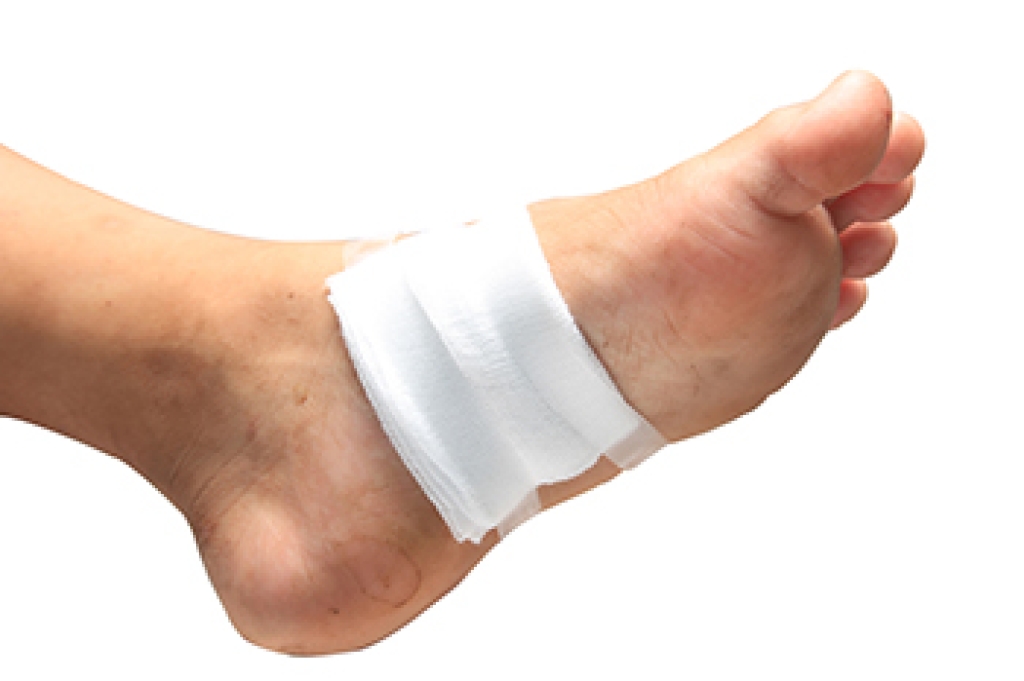
Treatment for Foot Puncture Wounds

Puncture wounds to the feet are often caused by sharp objects, such as nails, glass, or thorns. Animal bites.might also cause puncture wounds. They should never be considered minor injuries. Even the smallest puncture wounds can trap bacteria deep beneath the skin. If care is delayed, this increases the risk of infection, abscess formation, joint involvement, or bone infection. Symptoms may initially appear mild, but pain, swelling, redness, or drainage can develop days or even weeks later. A podiatrist evaluates the depth, location, and cause of the injury, checks for retained foreign material, and assesses surrounding nerves, tendons, joints, and bone. Diagnostic imaging and laboratory testing may be used to detect hidden damage or early infection. Prompt medical management can significantly reduce the risk of serious complications for people with diabetes, who may lack sensation in the feet. For help with foot pain caused by a puncture, it is suggested that you make an appointment with a podiatrist for an exam, diagnosis, and treatment.

Wound care is an important part in dealing with diabetes. If you have diabetes and a foot wound or would like more information about wound care for diabetics, consult with Kent DiNucci, DPM from Ankle and Foot Clinic . Our doctor will assess your condition and provide you with quality foot and ankle treatment.

What Is Wound Care?

Wound care is the practice of taking proper care of a wound. This can range from the smallest to the largest of wounds. While everyone can benefit from proper wound care, it is much more important for diabetics. Diabetics often suffer from poor blood circulation which causes wounds to heal much slower than they would in a non-diabetic. 

What Is the Importance of Wound Care?

While it may not seem apparent with small ulcers on the foot, for diabetics, any size ulcer can become infected. Diabetics often also suffer from neuropathy, or nerve loss. This means they might not even feel when they have an ulcer on their foot. If the wound becomes severely infected, amputation may be necessary. Therefore, it is of the upmost importance to properly care for any and all foot wounds.

How to Care for Wounds

The best way to care for foot wounds is to prevent them. For diabetics, this means daily inspections of the feet for any signs of abnormalities or ulcers. It is also recommended to see a podiatrist several times a year for a foot inspection. If you do have an ulcer, run the wound under water to clear dirt from the wound; then apply antibiotic ointment to the wound and cover with a bandage. Bandages should be changed daily and keeping pressure off the wound is smart. It is advised to see a podiatrist, who can keep an eye on it.

If you have any questions please contact our office located in Omaha, NE . We offer the newest diagnostic and treatment technologies for all your foot and ankle needs.

Read more about Wound Care

Facts About Foot Drop

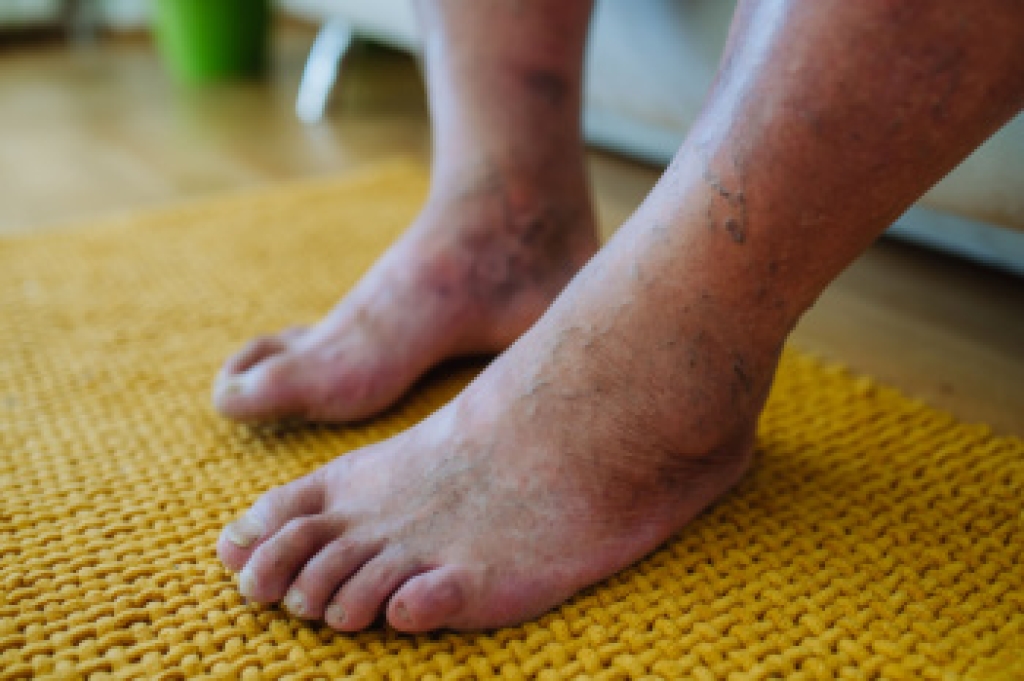
Foot drop is a condition marked by difficulty in lifting the front part of the foot, which can cause the toes to drag while walking and increase the risk of tripping. It often results from nerve injury, muscle weakness, or neurological conditions that affect normal foot movement. Symptoms include a high stepping gait, foot weakness, numbness, and instability. Risk factors include diabetes, stroke, spinal disorders, and prolonged nerve compression. Relief options focus on improving safety and function, and may include wearing supportive footwear and custom orthotics to help hold the foot in a proper position. A podiatrist can identify contributing foot and ankle issues, coordinate care, and recommend bracing or orthotic solutions. If you have foot drop, and walking has become difficult or unsafe, it is suggested that you consult a podiatrist who can offer effective relief and management solutions.

Foot Pain

Foot pain can be extremely painful and debilitating. If you have a foot pain, consult with Kent DiNucci, DPM from Ankle and Foot Clinic . Our doctor will assess your condition and provide you with quality foot and ankle treatment.

Causes

Foot pain is a very broad condition that could be caused by one or more ailments. The most common include:

  • Bunions
  • Hammertoes
  • Plantar Fasciitis
  • Bone Spurs
  • Corns
  • Tarsal Tunnel Syndrome
  • Ingrown Toenails
  • Arthritis (such as Gout, Rheumatoid, and Osteoarthritis)
  • Flat Feet
  • Injury (from stress fractures, broken toe, foot, ankle, Achilles tendon ruptures, and sprains)
  • And more

Diagnosis

To figure out the cause of foot pain, podiatrists utilize several different methods. This can range from simple visual inspections and sensation tests to X-rays and MRI scans. Prior medical history, family medical history, and any recent physical traumatic events will all be taken into consideration for a proper diagnosis.

Treatment

Treatment depends upon the cause of the foot pain. Whether it is resting, staying off the foot, or having surgery; podiatrists have a number of treatment options available for foot pain.

If you have any questions, please feel free to contact our office located in Omaha, NE . We offer the newest diagnostic and treatment technologies for all your foot care needs.

Read more about Foot Pain

Heel Pain Can Be Treated!

Do you suffer from heel pain when you get up in the morning? If so, you should seek professional help and have a proper diagnosis performed. Heel pain can be caused by several different foot-related conditions.

Pros and Cons of Ankle Fusion Surgery

Ankle fusion surgery, also called ankle arthrodesis, is a procedure used to relieve severe ankle pain by permanently joining the bones of the ankle joint. One advantage of ankle fusion is reliable pain reduction, especially for people with advanced arthritis, joint damage, or deformity that limits walking. By eliminating joint motion, the ankle can become more stable and better aligned, which may improve daily function. Fusion is also durable and may last longer than other surgical options in certain cases. However, there are drawbacks to consider. Loss of ankle movement can change walking mechanics and place added stress on nearby joints in the foot, which may lead to discomfort over time. Recovery can be lengthy and often requires a period of limited weight-bearing. A podiatrist carefully evaluates whether the benefits outweigh the risks based on symptoms, activity level, and overall foot structure. If you have ankle problems, it is suggested that you make an appointment with a podiatrist for a full exam and treatment options.

Foot surgery is sometimes necessary to treat a foot ailment. To learn more, contact Kent DiNucci, DPM of Ankle and Foot Clinic . Our doctor will assist you with all of your foot and ankle needs.

When Is Surgery Necessary?

Foot and ankle surgery is generally reserved for cases in which less invasive, conservative procedures have failed to alleviate the problem. Some of the cases in which surgery may be necessary include:

  • Removing foot deformities like bunions and bone spurs
  • Severe arthritis that has caused bone issues
  • Cosmetic reconstruction

What Types of Surgery Are There?

The type of surgery you receive will depend on the nature of the problem you have. Some of the possible surgeries include:

  • Bunionectomy for painful bunions
  • Surgical fusion for realignment of bones
  • Neuropathy decompression surgery to treat nerve damage

Benefits of Surgery

Although surgery is usually a last resort, it can provide more complete pain relief compared to non-surgical methods and may allow you to finally resume full activity.

Surgical techniques have also become increasingly sophisticated. Techniques like endoscopic surgery allow for smaller incisions and faster recovery times.

If you have any questions, please feel free to contact our office located in Omaha, NE . We offer the newest diagnostic and treatment technologies for all your foot care needs.

Read more about Foot and Ankle Surgery

Sesamoiditis Causes and Symptoms

Sesamoiditis is a painful foot condition that affects the sesamoid bones, which are two small bones located beneath the base of the big toe. These bones help absorb pressure and assist with movement during walking and push off. When they become inflamed, pain can develop around the ball of the foot, especially under the base of the big toe. Common symptoms include aching or sharp pain while walking, standing, or bending the toe, along with swelling and tenderness in the area. Sesamoiditis is often caused by repetitive stress, high impact activities, or increased pressure on the forefoot. A podiatrist can diagnose the condition, recommend activity modification, provide protective padding or orthotics, and develop a treatment plan to reduce inflammation. If you have pain under your big toe, it is suggested you schedule a visit with a podiatrist who can accurately diagnose and treat what may be going on.

Sesamoiditis is an unpleasant foot condition characterized by pain in the balls of the feet. If you think you’re struggling with sesamoiditis, contact Kent DiNucci, DPM of Ankle and Foot Clinic . Our doctor will treat your condition thoroughly and effectively.

Sesamoiditis

Sesamoiditis is a condition of the foot that affects the ball of the foot. It is more common in younger people than it is in older people. It can also occur with people who have begun a new exercise program, since their bodies are adjusting to the new physical regimen. Pain may also be caused by the inflammation of tendons surrounding the bones. It is important to seek treatment in its early stages because if you ignore the pain, this condition can lead to more serious problems such as severe irritation and bone fractures.

Causes of Sesamoiditis

  • Sudden increase in activity
  • Increase in physically strenuous movement without a proper warm up or build up
  • Foot structure: those who have smaller, bonier feet or those with a high arch may be more susceptible

Treatment for sesamoiditis is non-invasive and simple. Doctors may recommend a strict rest period where the patient forgoes most physical activity. This will help give the patient time to heal their feet through limited activity. For serious cases, it is best to speak with your doctor to determine a treatment option that will help your specific needs.

If you have any questions, please feel free to contact our office located in Omaha, NE . We offer the newest diagnostic and treatment technologies for all your foot care needs.

Read more about Sesamoiditis

Diabetic Limb Salvage and Podiatrists

Diabetic limb salvage focuses on preserving foot structure and function while reducing the risk of wounds and limb loss. In podiatry, the foot is evaluated as a biomechanical system rather than an isolated sore, allowing pressure points, deformity, and joint alignment to be addressed together. A podiatrist can provide wound care, offloading, and monitoring while considering how walking forces affect the toes, midfoot, and ankle. When clinic-based care is not enough, surgery can correct imbalance, remove pressure from high-risk areas, and stabilize unstable joints. Long-term planning is essential for diabetic limb salvage, since changes in foot mechanics can shift pressure and create new problems. Ongoing evaluation helps protect tissue and maintain mobility. For help with foot problems, it is suggested that you consult a podiatrist for an exam and treatment.

Limb salvage can be an effective way in preventing the need for limb amputation. If you have diabetes, cancer, or any other condition that could lead to foot amputation if left unchecked, consult with Kent DiNucci, DPM from Ankle and Foot Clinic . Our doctor will assess your condition and provide you with quality foot and ankle treatment.

What Is Limb Salvage?

Limb salvage is the attempt of saving a limb, such as the foot from amputation. Podiatrists also try to make sure that there is enough function in the foot after the salvage that it is still usable. Diabetes is the number one cause of non-traumatic amputations in the United States. Those with diabetes experience poor blood circulation, which prevents proper healing of an ulcer. If the ulcer is left uncheck, it could become infected, which could result in the need for amputation.

However, there are other causes as well, such as cancer and traumatic injury. Links between higher mortality rates and amputation have been found. This translates into higher healthcare costs, and a reduced quality of life and mobility for amputees. Podiatrists have attempted to increase the prevalence of limb salvage in an attempt to solve these issues.

Diagnosis and Treatment

Limb salvage teams have grown in recent years that utilize a number of different treatments to save the infected limb. This includes podiatrists that specialize in wound care, rehabilitation, orthotics, and surgery. Through a combination of these methods, limb salvage has been found to be an effective treatment for infected limbs, and as an alternative to amputation. Podiatrists will first evaluate the potential for limb salvage and determine if the limb can be saved or must be amputated. 

If you have any questions, please feel free to contact our office located in Omaha, NE . We offer the newest diagnostic and treatment technologies for all your foot care needs.

Read more about Limb Salvage

Foot Blisters From Hiking

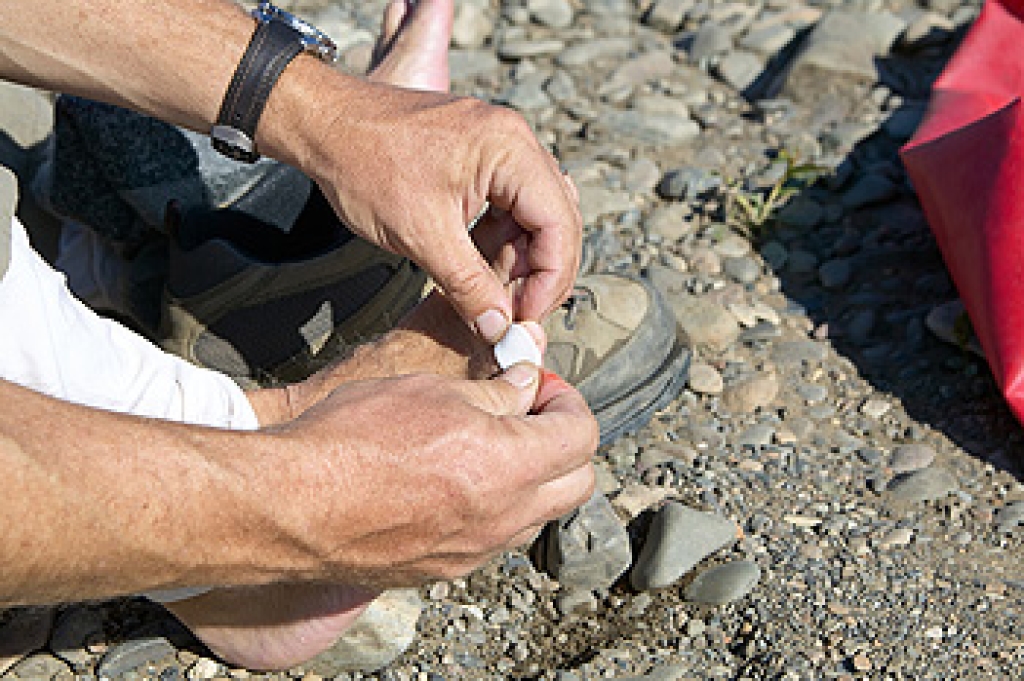
Foot blisters are fluid filled pockets that form when repeated friction, heat, and moisture damage the outer layers of skin. During hiking, blisters often develop as the foot rubs against boots over long distances, especially on uneven terrain. Symptoms may include redness, burning pain, swelling, tenderness, and clear or cloudy fluid beneath the skin. Prevention is important, and starts with making sure boots fit correctly and provide proper support without excessive movement. Choosing the right socks that reduce moisture and friction can also help protect the skin. When hiking for long periods, bringing a second pair of socks allows damp socks to be changed, lowering the risk of irritation. A podiatrist can help by treating painful or infected blisters, recommending proper footwear, and providing guidance to prevent recurrence. If foot blisters are limiting your comfort or hiking enjoyment, it is suggested that you consult a podiatrist who can offer effective relief and prevention tips.

Blisters may appear as a single bubble or in a cluster. They can cause a lot of pain and may be filled with pus, blood, or watery serum. If your feet are hurting, contact Kent DiNucci, DPM of Ankle and Foot Clinic . Our doctor can provide the care you need to keep you pain-free and on your feet.

Foot Blisters

Foot blisters are often the result of friction. This happens due to the constant rubbing from shoes, which can lead to pain.

What Are Foot Blisters?

A foot blister is a small fluid-filled pocket that forms on the upper-most layer of the skin. Blisters are filled with clear fluid and can lead to blood drainage or pus if the area becomes infected.

Symptoms

(Blister symptoms may vary depending on what is causing them)

  • Bubble of skin filled with fluid
  • Redness
  • Moderate to severe pain
  • Itching

Prevention & Treatment

In order to prevent blisters, you should be sure to wear comfortable shoes with socks that cushion your feet and absorb sweat. Breaking a blister open may increase your chances of developing an infection. However, if your blister breaks, you should wash the area with soap and water immediately and then apply a bandage to the affected area. If your blisters cause severe pain it is important that you call your podiatrist right away.

If you have any questions, please feel free to contact our office located in Omaha, NE . We offer the newest diagnostic and treatment technologies for all your foot care needs.

Read more about Blisters on the Feet

Common Children’s Foot Deformities Explained

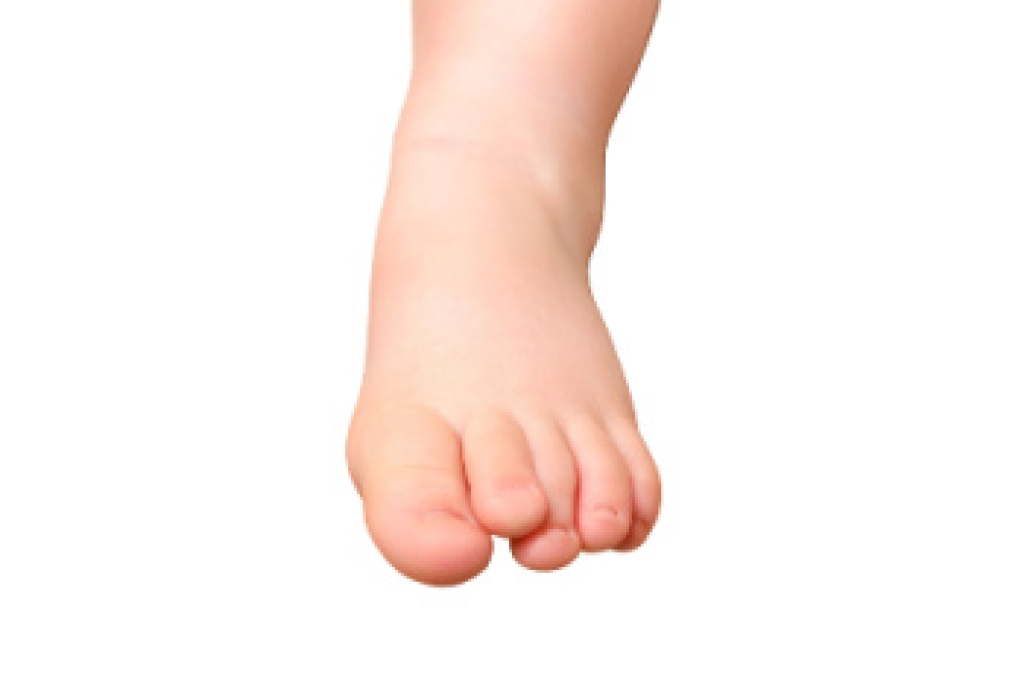
Children can experience several types of foot deformities that affect comfort and development. Flat feet occur when the arch does not form properly, leading to tired or achy feet. Talipes calcaneus involves excessive upward bending of the foot, often seen in newborns. In-toeing is when the feet point inward during walking and may result from hip, leg, or foot alignment issues. Talipes equinus limits upward motion of the ankle, causing a child to walk on the toes. A podiatrist can identify the cause of each condition, offer supportive care, guide proper development, and recommend treatments such as stretching programs, orthotics, or monitoring growth patterns. If you have concerns about your child’s foot development, it is suggested that you schedule a visit with a podiatrist for an expert evaluation and professional guidance.

Making sure that your children maintain good foot health is very important as they grow. If you have any questions, contact Kent DiNucci, DPM of Ankle and Foot Clinic . Our doctor can provide the care you need to keep you pain-free and on your feet.

Keeping Children's Feet Healthy

Having healthy feet during childhood can help prevent medical problems later in life, namely in the back and legs. As children grow, their feet require different types of care. Here are some things to consider...

Although babies do not walk yet, it is still very important to take care of their feet.

Avoid putting tight shoes or socks on his or her feet.

Allow the baby to stretch and kick his or her feet to feel comfortable.

As a toddler, kids are now on the move and begin to develop differently. At this age, toddlers are getting a feel for walking, so don’t be alarmed if your toddler is unsteady or ‘walks funny’. 

As your child gets older, it is important to teach them how to take care of their feet.

Show them proper hygiene to prevent infections such as fungus.

Be watchful for any pain or injury.

Have all injuries checked by a doctor as soon as possible.

Comfortable, protective shoes should always be worn, especially at play.

If you have any questions, please feel free to contact our office located in Omaha, NE . We offer the newest diagnostic and treatment technologies for all your foot care needs.

Read more about What to Do to Keep Your Child’s Feet Healthy

Reminder: When Was the Last Time...?

Custom orthotics, or shoe inserts, should be periodically replaced. Orthotics must fit properly to give you the best results. Protect your feet and ankles!

scroll to top