Rheumatoid Arthritis and Foot Health

Rheumatoid arthritis is a chronic autoimmune condition that causes inflammation in the joints, often affecting the feet and ankles. The immune system mistakenly attacks joint tissue, leading to symptoms such as persistent joint pain, swelling, warmth, and stiffness, particularly in the morning or after periods of inactivity. Over time, these symptoms can interfere with walking, balance, and overall mobility. A podiatrist plays a vital role in managing the effects of rheumatoid arthritis on the feet by evaluating joint health, recommending supportive footwear or custom orthotics, providing treatments to reduce pain and inflammation, and guiding exercises to maintain flexibility and strength. If you have persistent joint discomfort or walking becomes difficult, it is suggested that you consult a podiatrist who can offer effective relief and management tips.

Because RA affects more than just your joints, including the joints in your feet and ankles, it is important to seek early diagnosis from your podiatrist if you feel like the pain in your feet might be caused by RA. For more information, contact Kent DiNucci, DPM of Ankle and Foot Clinic . Our doctor will assist you with all of your podiatric concerns.

What Is Rheumatoid Arthritis?

Rheumatoid Arthritis (RA) is an autoimmune disorder in which the body’s own immune system attacks the membranes surrounding the joints. Inflammation of the lining and eventually the destruction of the joint’s cartilage and bone occur, causing severe pain and immobility.

Rheumatoid Arthritis of the Feet

Although RA usually attacks multiple bones and joints throughout the entire body, almost 90 percent of cases result in pain in the foot or ankle area.

Symptoms

  • Swelling and pain in the feet
  • Stiffness in the feet
  • Pain on the ball or sole of feet
  • Joint shift and deformation

Diagnosis

Quick diagnosis of RA in the feet is important so that the podiatrist can treat the area effectively. Your doctor will ask you about your medical history, occupation, and lifestyle to determine the origin of the condition. Rheumatoid Factor tests help to determine if someone is affected by the disease.

If you have any questions, please feel free to contact our office located in Omaha, NE . We offer the newest diagnostic and treatment technologies for all your foot care needs.

Read more about Rheumatoid Arthritis in the Feet

Choosing the Best Running Shoe for Comfort and Performance

Choosing the right running shoe can prevent discomfort and support your training goals. Many runners benefit from selecting a shoe that is a half size or even a full size larger than their regular shoes to allow room for swelling and natural foot movement. It is important to know your running goals, whether you want support for long distances or speed for short runs. Look for materials that enhance comfort such as air pockets for cushioning, foam for softness, and gel for shock absorption. Additionally, replace your shoes regularly to maintain proper support. A podiatrist can assess your foot type, gait, and training needs to recommend the right shoe. If you have foot or ankle pain from wearing the wrong shoes, it is suggested that you consult a podiatrist who can treat various foot conditions, and guide you on additional tips in choosing the right running shoe for your goals.

For more information about walking shoes versus running shoes, consult with Kent DiNucci, DPM from Ankle and Foot Clinic . Our doctor can measure your feet to determine what your needs are and help you find an appropriate pair of footwear.

Foot Health: The Differences between Walking & Running Shoes

There are great ways to stay in shape: running and walking are two great exercises to a healthy lifestyle. It is important to know that running shoes and walking shoes are not interchangeable. There is a key difference on how the feet hit the ground when someone is running or walking. This is why one should be aware that a shoe is designed differently for each activity.

You may be asking yourself what the real differences are between walking and running shoes and the answers may shock you.

Differences

Walking doesn’t involve as much stress or impact on the feet as running does. However, this doesn’t mean that you should be any less prepared. When you’re walking, you land on your heels and have your foot roll forward. This rolling motion requires additional support to the feet.

Flexibility – Walking shoes are designed to have soft, flexible soles. This allows the walker to push off easily with each step.

If you have any questions, please feel free to contact our office located in Omaha, NE . We offer the newest diagnostic and treatment technologies for all your foot care needs.
Read more about Choosing the Right Running Shoe for Your Foot Type

Steady Steps Toward Easing Ankle Arthritis

Ankle arthritis can make even familiar routines feel challenging as stiffness and joint pain gradually take hold. This condition often develops after past injuries, long-term overuse, or natural aging of the cartilage that once cushioned the ankle. People may first notice discomfort when getting up in the morning or after walking longer distances. Swelling, reduced flexibility, and difficulty climbing stairs can follow, making the joint feel less reliable. Although simple measures like supportive shoes, activity changes, and gentle stretching can bring relief, symptoms that linger or intensify deserve attention. A podiatrist can evaluate the extent of joint wear, offer treatments that ease inflammation, and guide you toward options that protect your mobility. If pain is increasing or your ankle feels less stable during daily activities, it is suggested that you see a podiatrist for personalized care.

Arthritis can be a difficult condition to live with. If you are seeking treatment, contact Kent DiNucci, DPM from Ankle and Foot Clinic . Our doctor can provide the care you need to keep you pain-free and on your feet.

Arthritic Foot Care  

Arthritis is a joint disorder that involves the inflammation of different joints in your body, such as those in your feet. Arthritis is often caused by a degenerative joint disease and causes mild to severe pain in all affected areas. In addition to this, swelling and stiffness in the affected joints can also be a common symptom of arthritis.

In many cases, wearing ill-fitting shoes can worsen the effects and pain of arthritis. Wearing shoes that have a lower heel and extra room can help your feet feel more comfortable. In cases of rheumatoid arthritis, the arch in your foot may become problematic. Buying shoes with proper arch support that contour to your feet can help immensely.

Alleviating Arthritic Pain

  • Exercises that stretch the foot can prevent further pain and injury and increase mobility
  • Most of the pain can be alleviated with anti-inflammatory drugs, heat, and topical medications
  • Massages can help temporarily alleviate pain.

It is best to see your doctor for the treatment that is right for your needs and symptoms. Conditions vary, and a podiatrist can help you determine the right method of care for your feet.

If you have any questions please feel free to contact our office located in Omaha, NE . We offer the newest diagnostic tools and technology to treat your foot and ankle needs.

Read more about Arthritic Foot Care

Understanding Types of Pronation

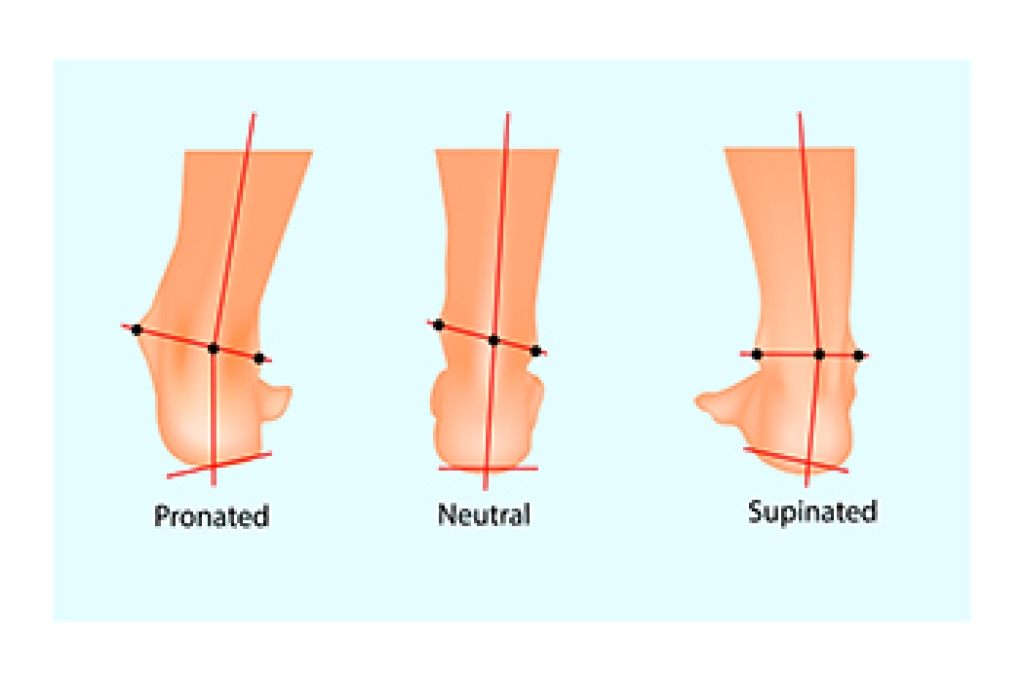
Pronation is the natural inward rolling motion of the foot during walking or running, which allows the arch to absorb shock and distribute body weight efficiently. There are three main types of pronation that influence how pressure moves through the foot. Neutral pronation is when the foot rolls inward slightly, helping to maintain balance and reducing stress on the ankles and knees. Overpronation happens when the foot rolls inward excessively, often in people with low arches or flat feet, which can lead to heel, arch, or ankle pain. Underpronation, or supination, occurs when the foot rolls outward, placing stress on the outer edge of the foot and increasing the risk of ankle sprains or heel pain. A podiatrist can evaluate your gait, foot posture, and arch type to determine your pronation pattern and recommend corrective devices, supportive footwear, or, in severe cases, surgery. If you experience foot pain or gait problems, it is suggested that you make an appointment with a podiatrist for a diagnosis and treatment options.

If you have any concerns about your feet, contact Kent DiNucci, DPM from Ankle and Foot Clinic . Our doctor can provide the care you need to keep you pain-free and on your feet.

Biomechanics in Podiatry

Podiatric biomechanics is a particular sector of specialty podiatry with licensed practitioners who are trained to diagnose and treat conditions affecting the foot, ankle and lower leg. Biomechanics deals with the forces that act against the body, causing an interference with the biological structures. It focuses on the movement of the ankle, the foot and the forces that interact with them.

A History of Biomechanics

  • Biomechanics dates back to the BC era in Egypt where evidence of professional foot care has been recorded.
  • In 1974, biomechanics gained a higher profile from the studies of Merton Root, who claimed that by changing or controlling the forces between the ankle and the foot, corrections or conditions could be implemented to gain strength and coordination in the area.

Modern technological improvements are based on past theories and therapeutic processes that provide a better understanding of podiatric concepts for biomechanics. Computers can provide accurate information about the forces and patterns of the feet and lower legs.

Understanding biomechanics of the feet can help improve and eliminate pain, stopping further stress to the foot.

If you have any questions please feel free to contact our office located in Omaha, NE . We offer the newest diagnostic and treatment technologies for all your foot and ankle needs.

Read more about The Importance of Biomechanics in Podiatry

Inspect Your Feet Regularly for Abnormalities if You're Diabetic

Diabetic patients often have decreased sensitivity in their feet, which makes a visual inspection of the feet even more important. If you're diabetic, having periodic screenings is extremely important for maintaining the overall health of your feet. 

scroll to top