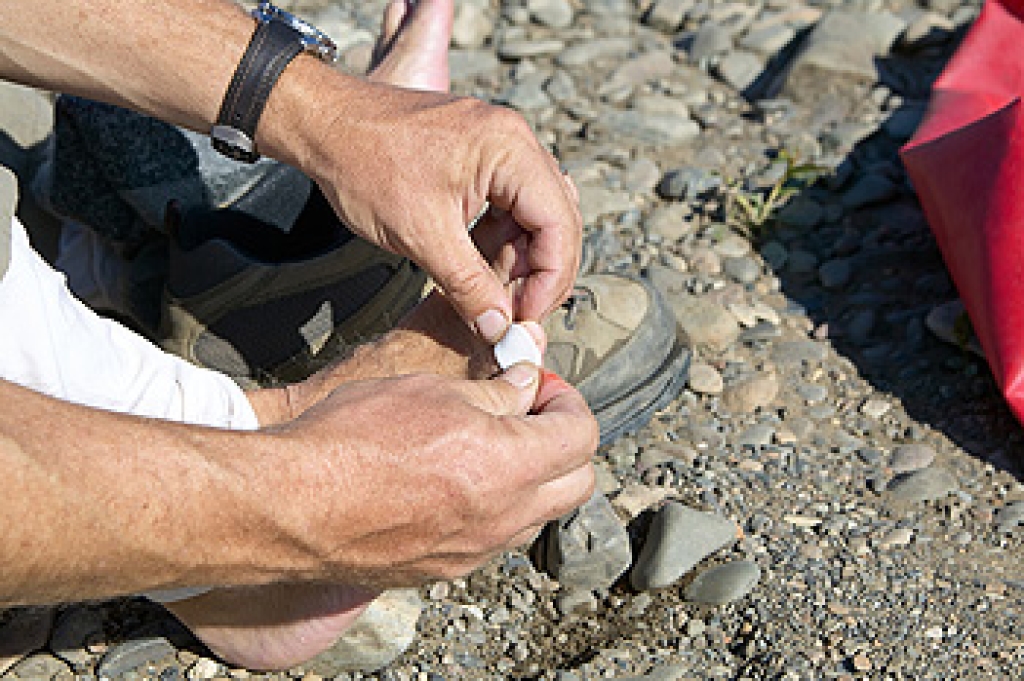
Foot blisters are fluid filled pockets that form when repeated friction, heat, and moisture damage the outer layers of skin. During hiking, blisters often develop as the foot rubs against boots over long distances, especially on uneven terrain. Symptoms may include redness, burning pain, swelling, tenderness, and clear or cloudy fluid beneath the skin. Prevention is important, and starts with making sure boots fit correctly and provide proper support without excessive movement. Choosing the right socks that reduce moisture and friction can also help protect the skin. When hiking for long periods, bringing a second pair of socks allows damp socks to be changed, lowering the risk of irritation. A podiatrist can help by treating painful or infected blisters, recommending proper footwear, and providing guidance to prevent recurrence. If foot blisters are limiting your comfort or hiking enjoyment, it is suggested that you consult a podiatrist who can offer effective relief and prevention tips.
Blisters may appear as a single bubble or in a cluster. They can cause a lot of pain and may be filled with pus, blood, or watery serum. If your feet are hurting, contact Kent DiNucci, DPM of Ankle and Foot Clinic . Our doctor can provide the care you need to keep you pain-free and on your feet.
Foot Blisters
Foot blisters are often the result of friction. This happens due to the constant rubbing from shoes, which can lead to pain.
What Are Foot Blisters?
A foot blister is a small fluid-filled pocket that forms on the upper-most layer of the skin. Blisters are filled with clear fluid and can lead to blood drainage or pus if the area becomes infected.
Symptoms
(Blister symptoms may vary depending on what is causing them)
- Bubble of skin filled with fluid
- Redness
- Moderate to severe pain
- Itching
Prevention & Treatment
In order to prevent blisters, you should be sure to wear comfortable shoes with socks that cushion your feet and absorb sweat. Breaking a blister open may increase your chances of developing an infection. However, if your blister breaks, you should wash the area with soap and water immediately and then apply a bandage to the affected area. If your blisters cause severe pain it is important that you call your podiatrist right away.
If you have any questions, please feel free to contact our office located in Omaha, NE . We offer the newest diagnostic and treatment technologies for all your foot care needs.