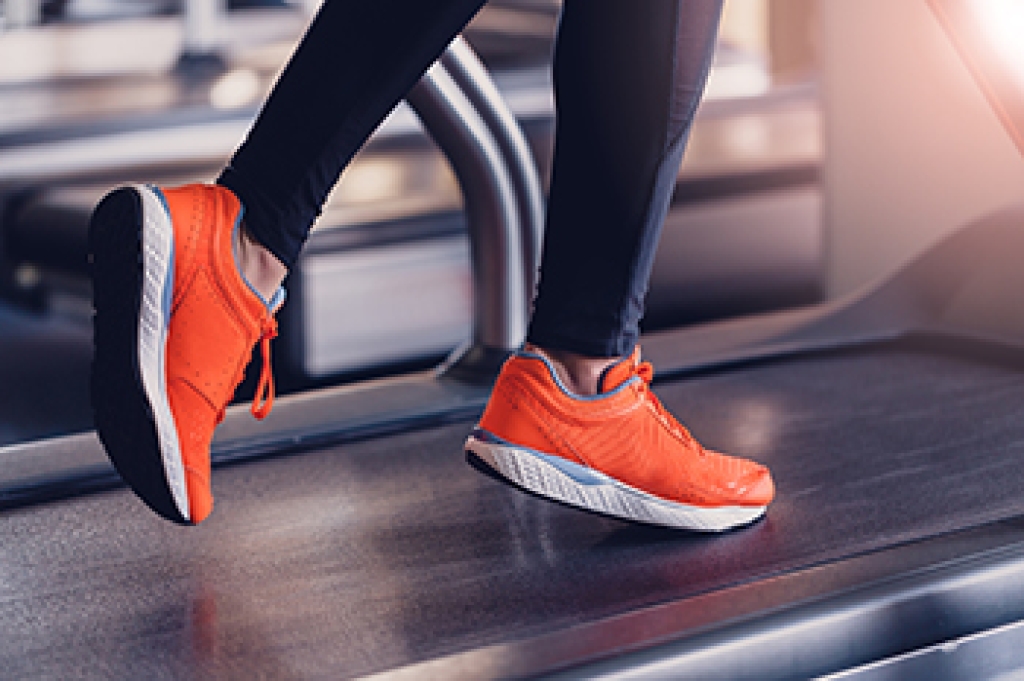
Treadmill running offers a convenient way to exercise in a controlled setting. Runners can choose their speed, adjust the incline, and follow a pace without dealing with traffic or challenging weather. The belt provides a smooth, predictable surface that can feel gentler than concrete. This consistency can help new runners learn pacing and gradually build endurance. A treadmill makes interval training easier because speed settings are precise. For people with busy schedules, indoor access can make regular running more practical. These benefits make the treadmill a useful option for fitness, training, and maintaining a routine throughout the year.
However, treadmill running has drawbacks. The moving belt assists with forward motion, so the legs and feet work somewhat differently than they do outdoors. A flat, even surface also places the body through the same movement repeatedly. This lack of variety can contribute to soreness or strain, especially when speed or distance rises too quickly. Treadmills do not prepare runners for uneven ground, sharp turns, or downhill sections. They can also feel repetitive, and some runners find the indoor setting less motivating. Having poor form and wearing shoes that lack proper support can increase pressure on the heels, arches, and ankles.
A podiatrist can help runners gain the benefits of treadmill exercise while reducing injury risks. The visit can include an examination of foot structure, joint movement, and running form. A podiatrist can identify problems linked to heel pain, arch strain, or repeated stress. Advice can cover proper shoe selection, safe training changes, and the use of custom orthotics. These are shoe inserts designed to improve support and distribute pressure more evenly. A podiatrist can also explain whether treadmill running suits a patient's foot health, symptoms, and training goals. If your feet hurt after running on a treadmill, it is suggested that you schedule an appointment with a podiatrist for a diagnosis and appropriate treatment.
Exercising your feet regularly with the proper foot wear is a great way to prevent injuries. If you have any concerns about your feet, contact Kent DiNucci, DPM of Ankle and Foot Clinic . Our doctor will treat your foot and ankle needs.
How to Prevent Running Injuries
Many common running injuries are caused by overuse and overtraining. When the back of the kneecap starts wearing out and starts causing pain in your knee, this is commonly referred to as runner’s knee. Runner’s knee is a decrease in strength in your quadriceps and can occur if you’re not wearing properly fitted or supporting shoes. To prevent runner’s knee, focusing on hip strengthening is a good idea, as well as strengthening your quads to keep the kneecaps aligned.
What Are Some Causes of Running Injuries?
- One cause of a common running injury is called iliotibial band syndrome.
- Plantar fasciitis is also another common injury.
- Stress fractures can occur from overtraining, lack of calcium, or even your running style.
Best Ways to Prevent Running Injuries
- Wear footwear that fits properly and suits your running needs.
- Running shoes are the only protective gear that runners have to safeguard them from injury.
- Make a training schedule. Adding strengthening exercises as well as regular stretching can help keep you strong and limber and can lessen the possibility of injuries.
- Stretching keeps muscles limber; this will help you gain better flexibility.
If you have any questions, please feel free to contact our office located in Omaha, NE . We offer the newest diagnostic and treatment technologies for all your foot care needs.
