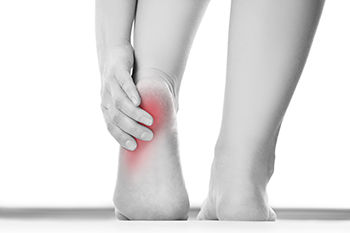
Heel pain, while quite common, is frequently diagnosed as plantar fasciitis when it is on the bottom of the heel. This is the most common diagnosis when it occurs in adults. In children, heel pain can be a result of a growth plate irritation. When the pain is in the back of the heel it is Achilles tendonitis.
Plantar fasciitis has many different treatment recommendations that have changed over the years. Heel pain may occur if you injure or overuse the heel by starting an exercise regime too hard too quickly, wearing a soft shoe that gives no support, or wearing soft sandals and barefoot. Plantar fasciitis is from a small tearing of the ligament at the heel or arch. However, many times the pain comes on without notice or an identified cause. If left uncared for, the affected area may worsen, limiting your mobility and making it difficult to perform everyday activities, such as walking and exercise.
Too much misinformation is out on the internet talking about old treatments that many times make the condition worse. Such as stretching, rolling the foot on a bar or frozen water bottle. It should be noted that the plantar fascia is a ligament and a ligament doesn't stretch. It is not a rubber-band like material. Therefore, by stretching, you are going to tear it at it's weakest link and this is most likely where it is painful and the result is repetitive damage by stretching/tearing the ligament each day and this causes microtrauma to the tissue. Bad idea. Anyone who suggests this has never seen a ligament or held it in their hand. (You can't stretch a canvas!) However, you can rest it in the position you want it to heal and this requires a night splint. This is imperative to healing the plantar fascia in a physiologic position when you are standing.
When heel pain is in children an old name for this is called Sever’s disease. This can develop due to overuse or repetitive microtrauma of the heel bone's growth plates. This condition is often seen among those who are active in sporting activities.
To help ease the discomfort of heel pain and try to treat it the most common treatment is obtaining an arch support. There are hundreds of arch supports for sale online and most do not work or are not made well. The Foot Chair orthotic is the best over the counter orthotic available and is the only one that is adjustable and customizable.
If you’re experiencing heel pain, we recommend you consult with Dr. DiNucci as soon as possible for a proper diagnosis and treatment plan.
